Bookkeeping

States with the highest state and local tax rates; Where does New York rank?

Posted on

what is the highest new york state income tax rate

Together, these taxes make NYC one of the highest-taxed jurisdictions in the country. For example, taxpayers eligible for the New York State EITC automatically receive a city-level EITC, calculated as 5% of the state credit. Programs like the state’s School Tax Relief (STAR) indirectly benefit city residents by reducing their property tax burden. Property tax in New York is a local tax that’s based on the value of your home. The average rate is 1.54 percent of the assessed value of your home, according to 2022 data from the Tax Foundation.Note that property taxes vary widely by county and municipality across the state. The median property taxes paid exceed $10,000 in six what are retained earnings New York counties — Nassau, New York, Putnam, Rockland, Suffolk, and Westchester — according to Tax Foundation data.

Online Services for businesses

The NYC School tax credit is available to NYC residents who have a total household income below $250,000. Individual taxpayers who cannot be claimed by another are eligible for a $63 credit. To claim this credit, you also cannot be claimed as a dependant on another filer’s tax return.

what is the highest new york state income tax rate

Understanding New York State Tax Brackets

  • Let us know in a single click, and we’ll fix it as soon as possible.
  • These rates are applied to New York State taxable income and do not cover additional local taxes that may be collected in cities like New York City.
  • Effective on and after March 1, 2025, these amendments apply to collections of rent by an operator or booking service.
  • Using your computer, tablet, or mobile device, you can prepare and e-file your return whenever and wherever you want.
  • New York has a 1.54 percent effective property tax rate on owner-occupied housing value.

The calculation of New York taxable income, the figure to which tax rates are applied, begins with a taxpayer’s Federal Adjusted Gross Income (AGI). From there, New York requires specific adjustments—additions and subtractions—to account for differences between federal and state tax law. These modifications nyc tax rate result in what is known as New York Adjusted Gross Income (NYAGI). If your 2024 New York state taxable income was less than $65,000, use the New York state tax tables instead. High-earning New Yorkers with an adjusted gross income (AGI) over $107,650 are also required to pay a supplemental tax, which requires additional worksheets (learn more).

New York: Federal EITC(Earned Income Tax Credits) Rates and Thresholds in 2020

what is the highest new york state income tax rate

Your bank statement will indicate our receipt of your payment with an NYS Tax Payment line item for the authorized amount. Whether you’ve already filed or are keeping track of documentation for next year, our recordkeeping pages are a great resource. New York’s annual DMV fees are based on weight, and not the value of the vehicle.

what is the highest new york state income tax rate

A much more sophisticated measure of a state’s tax burden is to look at how much a typical taxpayer actually pays. The following chart measures the state and local tax burden for a household earning the median income in the United States. Based on this chart, New Hampshire taxpayers pay 9.7% of their total income to state and local taxes. To determine which states have the highest and lowest taxes, you have to look Sales Forecasting at all of the taxes each state charges.

what is the highest new york state income tax rate

Bookkeeping

Long Term Liabilities In Accounting: Examples And How To Calculate

Posted on

long-term liabilities

This approach not only reduces your tax liability but also aligns with a long-term investment strategy, which can be beneficial for wealth accumulation. Short-term capital gains face higher tax rates than their long-term counterparts. These profits are taxed as ordinary income, meaning they’re subject to your regular income tax bracket, which can range from 10% to 37% depending on your total income. This higher tax burden often makes frequent trading less tax-efficient for investors who might otherwise consider a short-term investment strategy.

Sick Leave Flows Assumption

long-term liabilities

If you don’t currently have money saved in a Roth IRA, you may want to consider Roth contributions, if you qualify, https://staging1.arqbecker.com/pay-international-contractors-2026-guide/ or a Roth conversion during lower-income years. You can make withdrawals from Roth accounts if you need more income but want to avoid increasing your taxable income for a given year. Roth IRAs and Roth 401(k) assets aren’t subject to required minimum distributions (RMDs)—the minimum withdrawals required by the IRS from retirement accounts once you turn 73.

Common Examples of Long-Term Debt

The timing of when you realize capital gains can significantly impact your tax liability. By strategically planning asset sales, you can optimize tax outcomes and enhance your financial position. As a result, high income earners (i.e., New Yorkers reporting over $1 million in income) account for over 75% of all capital gains each year, according to the New York Department of Taxation and Finances. Whether you’re managing real estate, stocks or business assets, understanding these rules is key to optimizing your after-tax outcomes. The tax only applies for U.S. citizens and resident aliens, so nonresident aliens are not required to pay it.

long-term liabilities

Related AccountingTools Courses

Cash Equivalents are also lumped under this line item and include assets that have short-term maturities under three months or assets that the company can liquidate on short notice, such as marketable securities. Companies will generally disclose what equivalents they include in the footnotes to the balance sheet. You can download CFI’s free balance sheet template in Excel to input figures for any company and see how a balance sheet works in real time. Companies use long-term liabilities to finance In-House Accounting vs. Outsourcing major assets and support growth without using up cash reserves. They allow leveraging borrowed funds to potentially increase returns, though they also carry the risk of financial strain if cash flows decline. Under GAAP, they are classified separately from current liabilities to provide clarity on a company’s financial health and liquidity.

long-term liabilities

To determine how long you held the asset, you generally count from the day after the day you acquired the asset up to and including the day you disposed of the asset. Compensable leave reports can be run from CAPPS or the agency’s internal accounting system. These reports provide the current and noncurrent liability amounts for compensable leave for agencies. The CAPPS report does not include amounts for Social Security and Medicare taxes. The current tax rate for Social Security is 6.2% and Medicare is 1.45% for the employer.

long-term liabilities

Here are the most important considerations to keep in mind beyond the basis of how the tax works. Capital gains tax rates play a crucial role in determining how much of your investment profits actually end up in your pocket. The difference between your purchase price (or “basis”) and your selling price determines your capital gain, which is then subject to taxation. As previously mentioned, depending on how long you held the asset will determine which of the two tax rate tables yours will be taxed at. Navigating the complexities of capital gains tax requires more than just knowledge – it demands strategic planning and professional insight.

  • This account may or may not be lumped together with the above account, Current Debt.
  • These obligations are usually some form of debt; if so, the terms of the debt agreements are typically included in the disclosures that accompany the financial statements.
  • By holding onto investments for more than a year, you can take advantage of the lower long-term capital gains tax rates.
  • Tax liabilities can be terms of the tax a company is obliged to pay in case of profits made.
  • Accounts Payables, or AP, is the amount a company owes suppliers for items or services purchased on credit.

If you’re reading about capital gains, it probably means your investments have performed well, or you’re preparing for when they do in the future. When you build a low-cost, diversified portfolio and the assets being held are worth more than what you paid for them, you might consider selling some of those assets to realize those capital gains. It shows whether assets can cover debts, how much the business relies on borrowing, and how much value belongs to shareholders. Balance sheets help you assess a company’s financial health, stability, and capacity to handle current and future obligations like debt. The balance sheet helps you evaluate a company’s financial stability, compare performance with peers, and assess how efficiently the business manages its resources.

Check your retirement savings progress

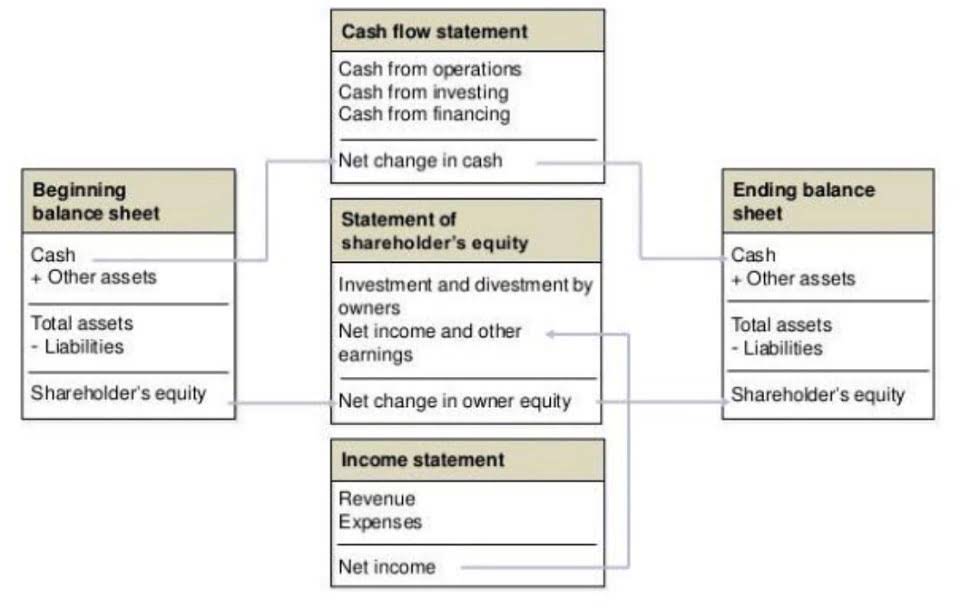
Balance sheets, like all financial statements, will have minor differences between organizations and industries. However, there are several “buckets” and line items that are almost always included in common balance sheets. We briefly go through commonly found line items under Current Assets, Long-Term Assets, Current Liabilities, Long-Term Liabilities, and Equity. Find more balance sheets long-term liabilities and accounting templates in this collection of the top Excel templates for accounting. Additionally, understanding the classification and timing of liabilities on a T-account helps you track how these debts impact your company’s financial position over time and supports better decision-making.

Bookkeeping

Outsourced CFO and F&A Services for Startups

Posted on

outsourced accounting services for startups

These are the reasons why startups should consider outsourcing accounting and bookkeeping services. Outsourced accounting services offer a breathing space for success that helps businesses adjust services according to growth needs. As your business expands, you can add more services or hire additional specialists without the hassle of expanding an in-house team. Mistakes are easy to make while calculating wages and deductions and ensuring tax compliance.

outsourced accounting services for startups

Startup Clients Supported

A properly maintained bookkeeping system instantly improves the financial health of a growing business. Every business entity needs to follow tax accounting services for startups regulations and relevant applicable legal requirements. Financial record mistakes result in legal repercussions such as penalties, audits, and potential legal problems. Timely tax filings and compliance become significantly easier by availing professional bookkeeping services.

How to Choose the Right Outsourced Accounting Firm for Your Small Business

  • Investors want to see accurate and up-to-date financial records when investing in a startup.
  • Startups should organize their financial records, including payroll tax documents and general ledger information, to ensure a seamless handover to the expert accounting team.
  • When readers purchase services discussed on our site, we often earn affiliate commissions that support our work.
  • From quarterly estimated payments to the critical April 15th deadlines and beyond, we ensure you never miss a beat.
  • You may have as many accountants available to you as your scaling team needs by outsourcing your accounting staff.
  • Derek is the founder and CEO of Outsource Accelerator, and is regarded as a leading expert on all things outsourcing.

These services cover international financial reporting standards, audits, income tax, and tax credits. Startups have unique accounting needs that differ from established businesses. Comparing in-house and outsourced solutions reveals the benefits of external financial policy and management expertise for growing companies. Whether it’s tax preparation, bookkeeping, or strategic financial planning, outsourced accounting firms for startups provide the expertise that might be too costly to maintain in-house. Managing these tasks internally or completely on your own can be exasperating, especially as your business expands. And this is the cue to outsource certain fiance-related tasks and responsibilities.

Investor Reporting Demands

outsourced accounting services for startups

You must seek out companies that offer accounting services for start-ups. Examine forums for the sector, online reviews, and suggestions from other business owners. You can shortlist reputable companies with the aid of a thorough research approach. A self-taught entrepreneur cannot manage budgeting nearly as well as an outsourced accountant. Outsourced experts have greater experience and access to technology that allows for more efficient planning. Explore options like bookkeeping services or virtual assistants and find your perfect fit.

outsourced accounting services for startups

Here are some of the vital outsourced accounting services for startups provided by these companies. Most startup founders are not financial experts and they don’t need to be. Paro is a virtual accounting and bookkeeping service that helps all kinds of businesses with their financial management. It has a dedicated team of experienced accountants who can provide various financial services to startups, such as bookkeeping, financial reporting, tax preparation, and more.

If your internal staff is unable to handle the development, you will have to go through a drawn-out hiring procedure with no assurance that a suitable applicant will be found. Additionally, you probably don’t have time as a founder to worry about paying bills or keeping the finances balanced. It’s still important to have a basic understanding of accounting principles, though. Our CFOs, Controllers, and staff accountants will partner with you to Accounts Payable Management understand your business and implement customized and tailored solutions. We are here to help you by not just being your financial consultants but your partners as you take your business to new heights.

outsourced accounting services for startups

Our flexibility and adaptability help you easily scale at short notice and yet, remain cost-effective. When you are running and scaling a startup, you spend a lot of time creating value for your customers and raising capital. By outsourcing it, you free up valuable time and resources to focus on core activities. Yes, even unprofitable startups can use R&D tax credits to offset payroll taxes, which improves their burn rates and extends runway.

  • A scalable bookkeeping service should be your choice since it will accommodate your startup growth and handle evolving financial needs.
  • Outsourced accountants can support you with clear financial forecasts, flexible budgets, and scenario modeling.
  • Outsourced SaaS accounting gives you CPA-level knowledge without the extra costs of hiring a full-time accountant.
  • This allows for a more efficient and effective use of resources within the company.
  • Click here to see a list of firms that might be a good fit for your business.
  • An outsourced firm can assist you with identifying and claiming these credits, saving your startup money in the long run.

The following list includes accounting firms supporting startups in a variety of industries. Many small businesses operate as lean teams or sole proprietorships – early-stage startups often function without an in-house CFO. Fortunately, CPA firms offer fractional CFO services so small businesses can gain financial advice without hiring a full-time CFO. Outsourced CPA services represent a cost-effective alternative to hiring an in-house accountant. Rather than spending time and money on a full-time employee, startup founders can hire a CPA firm to handle financial and administrative functions. In the fast-paced world of New York City’s startups, managing tax obligations with precision and foresight is crucial.

outsourced accounting services for startups

Trusted by Thousands of Businesses Around the World

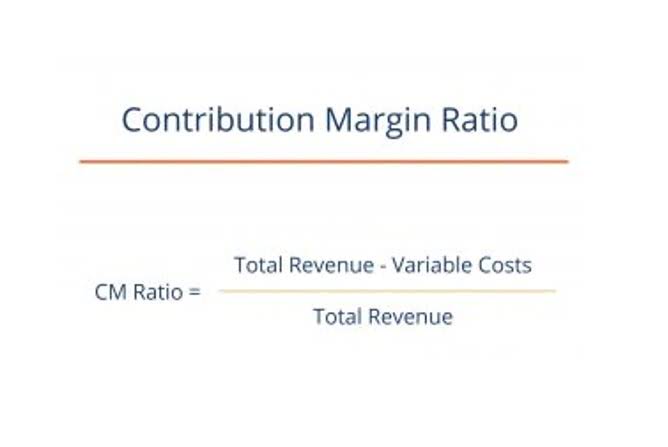
Many businesses rely on accounts payable outsourcing companies to streamline their processes, with transparent accounts payable outsourcing pricing that suits their budget. Cloud-based accounting solutions offer numerous benefits, including accessibility, scalability, and integration with other business systems. Startups can leverage these solutions for contribution margin efficient and flexible financial management. Sanjeev and the KnowVisory team have been more than just a financial service provider to us —they’re our trusted partner and financial consultants.

Bookkeeping

The next-gen perp DEX for all traders

Posted on

The analysis, adjusted for factors such as family size and local housing costs, finds that these 7 million Californians did not have the resources to meet their basic needs. To improve her mental adjusted gross income definition health, she’s adjusted her approach and now gets up during the week at 7 a.m.

  • The analysis, adjusted for factors such as family size and local housing costs, finds that these 7 million Californians did not have the resources to meet their basic needs.
  • The analysis, adjusted for factors such as family size and local housing costs, finds that these 7 million Californians did not have the resources to meet their basic needs.
  • To improve her mental health, she’s adjusted her approach and now gets up during the week at 7 a.m.
Bookkeeping

Inventory Write-Offs: Accounting Methods and Tax Implications

Posted on

These calculations must comply with applicable accounting standards to ensure accuracy in financial reporting. Accounting standards like Generally Accepted Accounting Principles (GAAP) and International Financial Reporting Standards (IFRS) provide guidance on recognizing inventory write-offs. GAAP requires inventory to be reported at the lower of cost or market value, while IFRS uses the lower of cost or net realizable value.

Double Entry Bookkeeping

  • Negative write-offs can harm relationships with customers and also have negative legal implications.
  • Regularly review sales data and trends to make informed purchasing decisions that reduce the risk of inventory impairment — when the market value of your inventory falls below its book value.
  • Let’s explore the practice in more detail to keep your business’s finances on track.
  • For example, a manufacturing company might write down the value of its machinery if it becomes outdated and less efficient compared to newer models.
  • This reduction in net income can lead to a decrease in the company’s earnings per share (EPS), which can negatively affect the value of the company’s stock.

This write-down is included in the cost of goods sold on the Statement of Income. The write-down was necessary due to reasons such as obsolescence, declining selling prices, or other relevant factors. This approach is all about making sure a company’s financial reporting is shown realistically and carefully.

The standards also require detailed disclosures in the financial statements, providing stakeholders with insights into the methods and assumptions used in determining inventory values. GAAP, the reduction in the inventory balance is intended to improve the transparency of a company’s financial health, namely for the sake of not misleading investors. The inventory write-down process comprises a partial deduction in the carrying value of inventory recognized for bookkeeping purposes to comply with U.S. Businesses often develop internal policies to identify inventory that may require write-offs. These policies may include regular inventory reviews, market analysis, and collaboration with sales and production teams to forecast demand.

What are the requirements of IAS 2?

When a company writes down its inventory, it reduces the value of its assets on the balance sheet. This reduction in the value of assets affects the company’s equity, which is the difference between its assets and liabilities. A write-down also reduces the company’s cash flow, as it may need to dispose of the inventory at a lower price than originally anticipated.

  • A write-down is a reduction in the value of inventory due to obsolescence, damage, theft, or any other reason that may affect the value of goods.
  • A decline in market value forces a write-off when the cost to acquire or produce inventory is higher than what it can be sold for.
  • The answer is generally no, but remember that IFRS allows the reversal of a previous write-down, whereas US GAAP strictly forbids any kind of write-up, including reversing a previous write-down.

In some cases, NRV of an item of inventory, which has been written down in one period, may subsequently increase. In such circumstances, IAS 2 requires the increase in value (i.e. the reversal), capped at the original cost, to be recognized. Reversals of writedowns are recognized in profit or loss in the period in which the reversal occurs. A reversal of inventory write-down occurs when a company increases the value of its inventory that had been previously written down due to a decline in value. This can happen when the market value of the inventory increases or when the company identifies an error in the original write-down.

Journal Entry for Write-Down

Aligning stock levels with demand helps you avoid holding excessive inventory, which could lower in value later. Regularly review sales data and trends to make informed purchasing decisions that reduce the risk of inventory impairment — when the market value of your inventory falls below its book value. Now that you have the data, look at the circumstances that led to the write-down and note whatever could prevent future occurrences.

You run the business, we automate the details

While a write-down is a partial adjustment that retains inventory at a lower value, a write-off is a full elimination of the inventory from the books. When a company writes down the value of its inventory, it reduces the value of its assets on the balance sheet. This reduction in assets can also affect the statement of cash flows, as it can impact the company’s cash flow from operating activities.

The percentage of gross profit margin is revised, as necessary, to reflect markdowns of the selling price of inventory. When a company writes down its inventory, it recognizes a loss on its income statement. This loss reduces the company’s net income, which in turn reduces its retained earnings. The reduction in retained earnings can impact a company’s ability to pay dividends to its shareholders. When a company writes down its inventory, it can have significant implications for shareholders. The following paragraphs will explore the effects of inventory write-downs on shareholders, impairment losses, and a company’s financial health.

These standards ensure that financial statements accurately reflect inventory’s economic value, preventing asset overstatements. The credit portion of the entry is a direct credit to the Inventory asset account, which reduces the book value of the inventory on the balance sheet. Using the previous example where the write-off was determined to be $35 per tablet for 100 tablets, the total write-off is $3,500.

Concurrently, the Inventory Write-down Expense is credited for $100 to reverse the prior impact on the income statement. This approach under IFRS is part of its fair value principle, aiming to provide a more current and potentially accurate representation of an asset’s value. However, this also means that companies need to be careful and ensure that any write-up of inventory is justified and does not go above the original cost of its inventory. The International Financial Reporting Standards (IFRS) take a slightly different approach.

A write-down can instead be reported as a cost of goods sold (COGS) if it’s small. Otherwise, it must be listed as a line item on the income statement, affording lenders and investors an opportunity to consider the impact of devalued assets. The significance of inventory for certain industries makes accounting and valuation a pertinent focus area. This is because changing inventory costing methodologies often requires systems and process changes. These GAAP differences can also affect the composition of costs of sales and performance measures such as gross margin.

Here’s how to perform an inventory write-down to ensure accuracy and compliance with accounting standards. Returning to the original question, can you simply write up an inventory because the market value exceeded the book value? The answer is generally no, but remember that IFRS allows the reversal of a previous write-down, whereas US GAAP strictly accounting for inventory write downs forbids any kind of write-up, including reversing a previous write-down. Understanding these differences is essential for accountants and financial professionals who are governed by specific guidance. In the next section, we will discuss the process of recording inventory write-ups (or reversal of write-downs). Determining the appropriate amount for a write-down requires a thorough assessment of the asset’s current value compared to its recorded book value.

Reversal of Write Downs

Alternatively, you may choose to have a little bit more transparency in your financial records to bifurcate the historical cost of an asset from its valuation. For this reason, it may be more appropriate to credit a contra-asset account that can be netted against the actual asset account. An adjustment to revenue must be made on the income statement to reflect the fact that the revenue once thought to be earned will not be collected if the company uses accrual accounting practices.

Implications of Write-Downs and Write-Offs

Determining when to write off inventory involves assessing factors that affect its value, such as physical damage, technological obsolescence, or changes in consumer demand. For example, a tech company may need to write off outdated gadgets that no longer meet market standards, while a retailer might write off unsold seasonal goods after the peak season. There are two aspects to writing down inventory, which are the journal entry used to record it, and the disclosure of this information in the financial statements. The tax rules for deducting an inventory write-off are more stringent than financial accounting requirements. While Generally Accepted Accounting Principles (GAAP) require a write-off as soon as a loss in value is identified, the Internal Revenue Service (IRS) requires more definitive proof for a tax deduction. A decline in market value forces a write-off when the cost to acquire or produce inventory is higher than what it can be sold for.

He has been a manager and an auditor with Deloitte, a big 4 accountancy firm, and holds a degree from Loughborough University. In each case the write down of inventory journal entries show the debit and credit account together with a brief narrative. The write down of inventory journal entries below act as a quick reference, and set out the most commonly encountered situations when dealing with the double entry posting of inventory write downs.

For example, a company might write down the value of its inventory to reflect current market prices, but the inventory remains on the books and can still be sold. The tax implications of write-downs are multifaceted and can significantly influence a company’s tax liability. When a company records a write-down, it often results in a lower taxable income for the period, as the expense reduces the overall profit. This can lead to immediate tax savings, providing a financial cushion during challenging times. For instance, a substantial inventory write-down can decrease the taxable income, thereby reducing the tax burden for that fiscal year.


Bookkeeping

Your Guide to Claiming Moving Expenses Deduction in Canada

Posted on

You don’t need to send them with your tax return, but you need to have them ready if the CRA requests them. It’s important to recognize which moving expenses are not deductible under current laws. Costs for house-hunting trips, including lodging, meals, or transportation, are non-deductible, even for work-related relocations. You must first determine if you qualify to deduct moving expenses either as an individual who is employed or self-employed or as a full-time student. Storage fees for household goods and personal effects are deductible for up to 30 consecutive days after the items are moved from the former home and before delivery to the new home.

Can I Deduct Moving Expenses in 2025?

Hiring a professional moving company can make the process smoother and more efficient, but be aware of the expenses involved. Car shipping is another aspect to consider when budgeting and estimating expenses. If you need to move your vehicle long distances, hiring a car shipping company is a convenient and efficient option. However, the cost of this service can vary depending on factors such as distance, size of your vehicle, and desired delivery speed. To find the most affordable and reliable car shipping provider, make sure to request quotes from multiple companies and compare their services. However, for more substantial tasks or when your social network is unavailable, you may need to hire helpers or pay for additional services from the moving company.

  • To claim moving expenses on your Canadian tax return, you must have moved primarily for work, business, or education reasons.
  • To claim the deduction, you must report all relocation expenses on IRS Form 3903 and attach it to the personal tax return that covers the year of your move.
  • Don’t include in income the value of moving and storage services provided by the government because of a permanent change of station.
  • Be sure to calculate an estimate for gas and to account for any potential fluctuations in the price of fuel.

A move from a foreign country to the United States or its possessions is not a foreign move. You can deduct the expenses of moving your household goods and personal effects, including expenses for hauling a trailer, packing, crating, in-transit storage, and insurance. You cannot deduct expenses for moving furniture or other goods you bought on the way from your old home to your new home. You can deduct moving expenses for a move to a home in the United States if you are the spouse or dependent of a person whose principal workplace at the time of his or her death was outside the United States. The expenses must be for a move (a) that begins within 6 months after the decedent’s death, and (b) from a former home outside the United States that you lived in with the decedent at the time of his or her death. You need to keep all the receipts and documents that support your moving expenses claim in case the CRA asks for them later.

Active-duty military personnel relocating under orders must use IRS Form 3903, “Moving Expenses,” to report these costs. Errors or omissions on this form can delay or disqualify deductions. Scanned receipts stored in cloud-based platforms ensure accessibility and reduce the risk of loss, while expense tracking apps can categorize moving-related costs.

  • This provision acknowledges logistical challenges during relocation and provides some financial relief.
  • IRS Form 3903 is the official form used to report deductible moving expenses when filing your federal tax return.
  • Scanned receipts stored in cloud-based platforms ensure accessibility and reduce the risk of loss, while expense tracking apps can categorize moving-related costs.
  • When you’re all packed, the company picks it up and drives it to your destination.
  • If you forget this form, the IRS won’t even consider your moving expense deduction, and you won’t get your refund.

This is a great way to reduce your taxable income and get a bigger refund. However, not everyone qualifies for moving expenses deduction, so you need to understand the rules and criteria set by the Canada Revenue Agency (CRA) before you claim. Eligible expenses include moving household goods, personal effects, and travel expenses like lodging incurred during the move.

Is there a moving cost calculator I can use to plan my budget?

You also need to keep all your receipts and documents to support your claim in case the CRA asks for them. If you have moved and established a new home to work or run a business at a new location, you can deduct eligible moving expenses from the employment or self-employment income you earned at your new work location. You cannot deduct moving expenses from any other type of income, such as investment income. You must also report any reimbursement or allowance you received from your employer as income.

How much does a moving company cost for a cross-country move?

Knowing these common mistakes can help you file your claim accurately and confidently. National averages can be helpful, but ultimately, your moving cost will depend on your unique situation. A typical rate to hire one or two movers in the U.S. is $38 to $75 per mover, per hour, according to Moving.com. Most international moves use sea freight, a cost-effective approach, especially if you only rent a partial shipping container.

moving expenses

Moving Expenses To or From Canada

You are allowed to take the moving expense deduction in addition to claiming standard deductions or itemizing your deductions. Reimbursements are typically reported on the employee’s W-2 form in box 1 as wages. For employers, moving expenses may still be deductible as a business expense under Section 162 of the Internal Revenue Code if they meet ordinary and necessary criteria. Employees should adjust tax planning to account for this additional taxable income. Employer reimbursements for moving expenses are generally considered taxable income under the Tax Cuts and Jobs Act (TCJA) of 2017. Any financial assistance or direct payments from an employer must be included in the employee’s gross income unless specific exceptions apply.

Moving Expenses Between Two Locations Outside of Canada

Some publications and tax form instructions are available in HTML format and can be translated. Visit our Forms and Publications search tool for a list of tax forms, instructions, and publications, and their available formats. We cannot guarantee the accuracy of this translation and shall not be liable for any inaccurate information or changes in the page layout resulting from the translation application tool. This Google™ translation feature, provided on the Franchise Tax Board (FTB) website, is for general information only. If you moved out of California in connection with your new job, refer to the Schedule CA (540NR) instructions for more information. If you are an employee, you must work full time in the general area of after you move.

Moving costs, in particular, can be a significant moving expenses burden for individuals and families relocating due to employment changes or other reasons. Determining whether these expenses are deductible can impact overall tax liability. If you’re moving far away, things get much more expensive quickly. The average cost for cross-country move, HomeAdvisor says, is $4,579 — though the price can range from $2,404 to $6,862.

Moving is expensive, so wouldn’t it be great if your move was entirely tax deductible? It used to be the case that if you relocated for a new job or moved specifically to seek work you were entitled to some sort of refund. But there are situations where you can deduct some of the expenses related to your move and save on your yearly taxes. Whether or not you can get away with deducting moving expenses depends on the specifics of your situation, so it’s important to know what does and does not qualify. Below, we’ll break down what you need to know to figure out what expenses (if any) you can deduct. Fortunately, you might be able to save some money on your taxes by deducting your moving expenses.

It’s smart to plan for extra expenses, too, like gas and lodging for the movers or replacing items damaged during the long-distance trek. As mentioned earlier, the TCJA suspended the moving expense deduction for most taxpayers, meaning you’re probably out of luck if you moved for work or any other reason. That’s a lot of money to spend, especially if you’re trying to determine whether moving expenses are tax deductible in 2025.

What is the average cost of a long-distance move?

However, the IRS allows you to claim the deduction in the year you move. Since the Tax Cuts and Jobs Act as passed by Congress in 2017, the majority of folks no longer qualify for moving deductions on their federal taxes. Deductible moving expenses include the costs of moving the contents of your home, as well as lodging on your route, but not meals.

Bookkeeping

Invoice for Freelance Work: A Guide

Posted on

how to bill for freelance work

Compare Pro, Teams, Enterprise, and Canva API pricing to choose the right plan and save on fees. Expert advice and resources for today’s accounting professionals. Saving it by business name and invoice number is a great way to keep them organized.

Are there any additional free invoice templates for freelancers?

However, if you’re sending large sums of money, you might be restricted by the transfer amount limits. Checks and credit card payments are low cost options, but have security risks including providing your banking or credit card information, which could be exploited. The main determining factor will be whether the freelancer is local or international. There are more limitations on what international freelancers can accept, and you should be prepared to offer wire transfers or use a payment portal they’re set up on. Transfer limits will cap how much you can send on a single transaction, day, or month. If you’re sending large sums of money, you might find yourself unable to use an ACH payment when you need to.

  • Your invoice may have fallen through the cracks in certain situations, so this gentle nudge is a nice remuneration.
  • That way, you can track your income compared to your expenses and projected taxes.
  • In our template, we charged a 10% tax, which is listed below the subtotal.
  • There are more limitations on what international freelancers can accept, and you should be prepared to offer wire transfers or use a payment portal they’re set up on.
  • Whether you’re a freelance writer, designer, or self-employed in any field, these customizable Word templates are built with your needs in mind.

Using Tracking Systems to Monitor Payments

Ensure your contact information is prominent on the invoice, ideally next to your company logo. This isn’t just about professionalism; it’s about safeguarding your cash flow by making it easy for clients to reach out with any payment questions. Your invoice should include all the necessary details, such as a breakdown of services, payment terms, and applicable taxes, to ensure a smooth payment process.

how to bill for freelance work

Which freelance services is PayPal invoicing suitable for?

  • Be sure to include the cost of each expense and a brief description of what it exactly was.
  • While templates provide a solid foundation, adding a personal touch can set your invoices apart.
  • For example, a web developer who is taking on a 3 month project may invoice monthly to help with their cash flow.
  • Create your invoice or use a free invoice template and follow our tips below to make sure you’re billing in a professional, consistent manner that will impress your clients.
  • It allows you to automate invoice creation, personalize designs, and accept payments online, saving you time and helping you stay organized as your client base grows.

It’s common to allow at least 30 days for the payment to be received. You can choose which options to include on your invoice depending on your invoice for freelance work preference and your client’s needs. For instance, if you’re a freelance writer, you might list the articles or blog posts you wrote and the dates you finished them. Your phone number and email are the primary ways clients will likely try to contact you, so always include those in your invoice. Clients fully understand what specific efforts they are financing, which smooths approvals clearing payments owed.

Beak down the services you provided by listing items separately with a concise, easy-to-understand description of the work, including the price and quantity for each. The invoice number helps you keep track of services provided to different customers. Your client could be dealing with multiple freelancers, so make sure you are clear in your description of the work you are providing to your client. In your invoice, provide a detailed description of the assignment and include identifiable information like your company name, the assigned date, the due date, and contact details.

how to bill for freelance work

Download our free invoice fixed assets template for your freelance project to get organized and stay on top of your cash flow now. It allows you to automate invoice creation, personalize designs, and accept payments online, saving you time and helping you stay organized as your client base grows. Using an invoice template is a great way to stay organized and look professional, but as your workload grows, managing invoices manually can become time-consuming. Templates include all the details your clients need, reducing confusion and making the payment process seamless.

how to bill for freelance work

Use Marketing Tactics to Retain Customers

From how to create a professional invoice to what information you should include, here’s how to invoice as a freelancer. When you agree with the client on the terms of your work and sign a contract, you should list out how often you plan to invoice and when you should get paid. For instance, for recurring work, you might agree to bill on the first of each month, or bi-weekly so you get paid every other Friday. Finally, add a breakdown of the services rendered so the client knows exactly what they’re paying for. The first item on your freelance invoice should be your business name or your full name, in professional and easy-to-read font.

Review your contract

Each freelancer How to Invoice as a Freelancer you work with will have their preferences for what payments they’re willing to accept. By being restrictive in what you’re willing to offer, you could be limiting yourself in terms of who you’d be able to work with. You need to consider when they’ll get paid, what they need to provide, and what kind of billing structure will be used. A freelancer is someone who works with a business on a project or contractual basis. Usually, the work to be completed is on a short-term timeline with the opportunity to renew down the line. You most likely agreed that the final payment will be done at the end of the job, therefore submit the invoice as soon as the last work is performed.

  • This email provides an overview of the services I booked and details about my appointment.
  • Don’t forget to include your client’s name/business name and address on your invoice!
  • Now that your client acknowledges your proficiency in freelancing, the next steps are in understanding what your billable hours are, how to tally them and sending off that invoice.
  • Clients take their time processing bills, and therefore the more you wait, the later you will receive payment.
  • That includes creating and sending invoices, whether from software or an invoice template.

Clearly state the payment option you negotiate with the client at the bottom of your invoice. Place the total balance near the top of the document so it’s one of the first things that customers see. This is not only convenient for them, but it also reduces the chance of miscommunication. If a customer immediately sees a list of services, numbers, and prices, they might mistake one of these rows as their total cost. This leads to time-consuming explanations that are easily avoidable if you make your total balance as clear as possible at the top of the invoice.

Bookkeeping

Do Checks Expire? How Long Is a Check Good For?

Posted on

Unless otherwise stated, most checks are good to cash within 180 days. After that, the issuing bank decides whether to cash the check for you. Banks are still allowed to process a stale check as long as the institution deems the funds are good. A Federal Reserve regulation says a bank doesn’t have to deposit a check if it has reason to doubt that it’ll be able to collect the money from the paying bank. Banks don’t have to accept checks that are more than six months (180 days) old.

When do money orders expire?

If you’ve been receiving your payroll check as a paper check, consider switching to direct deposit so the funds are automatically sent to your savings or checking account. There are many free checking accounts and online checking accounts that are also available for direct deposit. Also, there are some banks offering account promotions that can help you get started with your new checking account. Some banks may allow you to deposit a check that’s gone stale if they believe the funds will be available.

Legal Considerations Related to Expired Checks

A money order is a type of check where the issuer provides the funds upfront, and the how long is a check good for money is therefore guaranteed. Domestic money orders don’t have an expiration date, but terms differ from state to state. Check the fine print on the back of your money order for specific terms.

Consider a homeowner who, in January, writes a $1,000 check to a landscaping business for removal of a fallen tree and other debris after a storm. If the landscaper doesn’t deposit the check until September, the homeowner may not have been budgeting for that $1,000 payment eight months later. Expiration dates and other issues regarding check use are governed by the UCC—that’s a set of laws that regulate commercial transactions in the U.S. Some checks are good for about 6 months, and others may never expire. Get more from a personalized relationship offering no everyday banking fees, priority service from a dedicated team and special perks and benefits. Connect with a Chase Private Client Banker at your nearest Chase branch to learn about eligibility requirements and all available benefits.

How We Make Money

how long is a check good for

To avoid the hassle of dealing with expired checks, make it a habit to deposit checks as soon as you receive them. These tips can help you avoid the headache of expired checks. They are guaranteed funds, making them reliable for long-term transactions.

Chase serves millions of people with a broad range of products. Chase online lets you manage your Chase accounts, view statements, monitor activity, pay bills or transfer funds securely from one central place. For questions or concerns, please contact Chase customer service or let us know about Chase complaints and feedback.

See if you’re pre-approved

how long is a check good for

That’s according to the Uniform Commercial Code (UCC), a set of laws governing commercial exchanges, including checks. Traveler’s checks never expire as long as the issuing bank is still in operation. If you find an old traveler’s check, you can always cash it in with the issuer or spend it wherever it’s accepted. However, it’s also possible that your bank might reject the check, and you’ll have to ask for a replacement. On the other hand, your bank might accept the check, but the issuing bank might still reject it. In this case, the check funds may be removed from your account, and your bank may charge you a fee.

Treasury checks last a year, and traveler’s checks never expire. To avoid issues with stale or rejected checks, it’s best to deposit them promptly. If a check expires, contact the issuer for a replacement and check with your bank to see if they’ll still process it.

Typically, you’ll find an expiration date listed on the check. Here are some rules on other types of non-personal checks and their potential expiration dates. Generally, a state or local government check is valid for anywhere from six to 12 months after the date it was issued. Checks that fall into this category include tax refunds and benefits checks.

  • We may receive a commission if you make a purchase or take action through these links.
  • This allows them to confirm that the check has not been cashed or deposited and take appropriate action.
  • These brands compensate us to advertise their products in ads across our site.
  • However, if you really must cash in a stale check, there’s a higher chance of it bouncing with personal checks rather than company checks.
  • That way, you avoid issues that might arise when you get closer to the check’s expiration date and find that the bank refuses to honor the payment.
  • That way, you can avoid having to worry about an expired check or asking the check’s issuer to write a new check.
  • An expired check is known as “stale-dated.” In these cases, it is important to look at some FAQs about when a check expires and what can be done to collect your payment.
  • The MarketWatch Guides team will explain how long you have to cash different types of checks and the options you might have if your check is expired.

This means that federal tax refund checks are good for one year as those are issued by the U.S. After that time, you’re still entitled to money the government owes you, but you’ll need to contact the issuer of the check and request a new check. Cashier’s checks do not officially have an expiration date, but this does not mean they are good to use indefinitely.

Bookkeeping

Consigned Goods Management: Accounting, Revenue, and Risks

Posted on

These expenses can impact the consignor’s profitability and should be carefully monitored. Revenue recognition in consignment sales presents unique challenges and opportunities, given the distinct nature of the transactions involved. Navigating the tax implications of consigned goods requires a thorough understanding of both local and international tax regulations. For the consignor, the primary concern is the timing of revenue recognition, which directly impacts taxable income.

Consignee Carelessness:

The consignee, on the other hand, does not record the consigned goods as inventory on their balance sheet. Instead, they maintain a memorandum account to track the quantity and value of the consigned goods. This account helps the consignee manage the inventory without affecting their financial position. When a sale occurs, the consignee records the revenue and the cost of goods sold, while the consignor recognizes the sale and removes the corresponding inventory from their balance sheet. This dual recording process ensures that both parties’ financial records remain accurate and up-to-date.

Types of Consignment Arrangements

Unlike traditional sales, consignment arrangements involve a consignor who supplies goods to a consignee, with the understanding that payment will only be made once the goods are sold. This model can offer significant benefits such as reduced inventory costs and expanded market reach. Sometimes a retailer may not want to take the risk of purchasing a product for resale. The retailer may not want to tie up working capital or may think the product is too speculative or risky.

One critical consignment sales accounting aspect of consignment agreements is the payment terms. These terms specify when and how the consignor will be paid for sold items. Payment schedules can vary, with some agreements stipulating immediate payment upon sale, while others may operate on a monthly or quarterly basis.

  • They would also purge the related amount of inventory as a debit to cost of goods sold and a credit to inventory.
  • Under this arrangement, the exporter obtains money only when the importer has sold the items to the ultimate client.
  • For instance, if a large volume of consigned goods remains unsold at the end of a reporting period, the consignor’s revenue may appear lower than expected.

Revenue Recognition

A consignment is a type of commercial agreement in which a consignor provides goods for trade to the consignee in exchange for a commission. When providing items to the consignor, a consignee submits the proforma invoice for details of products sold, plus the consignee sends record sale data. A separate account for consignment accounting is kept for the settlement and balancing of records. One significant challenge in international consignment is dealing with currency exchange rates. Fluctuations in exchange rates can impact the valuation of consigned goods and the revenue recognized from their sale.

The goods will, thus, remain on the consignor’s books as inventory until the consignee sells them. At the time of sale, the consignor can recognize the revenue from the product, and the consignee can recognize the commission revenue. Revenue recognition also involves the consideration of commissions and fees.

Goodwill Impairment: Key Concepts and Financial Impact

Online consignment has gained significant traction with the rise of e-commerce. Platforms like ThredUp, The RealReal, and Poshmark have created digital marketplaces where consignors can list their items for sale. These platforms offer a streamlined process for consignors, including item authentication, photography, and listing management. Online consignment is particularly popular in the fashion industry, where consumers seek high-quality, second-hand clothing and accessories.

consignment sales accounting

Tax Implications of Consigned Goods

Had all the inventory not been sold, then only a proportion of the inventory would be transferred and the balance would represent inventory still held by the consignee. The credit entry to the commission income account represents the income earned by the consignee on the consignment sales. The amount is due from the consignor and is therefore posted as a debit to the personal account of the consignor.

Reconciliation between consignor and consignee records is essential for verifying sales and inventory levels. A systematic approach to reporting enhances the reliability of financial disclosures and supports informed decision-making. A robust cost allocation system aligned with GAAP and IFRS should categorize expenses as either cost of goods sold or operating expenses. Financial software integrated with inventory systems can streamline this process, allowing real-time tracking and reporting of consignment-related expenses. A sale on approval arrangement allows the consignee to use or display the goods for a specified period before deciding whether to purchase them.

For example, Mr. A is a new author who just releases some books into the market. It is very hard for him to sell the books to the bookstore as the seller may doubt the sales performance of the books. They require to invest some capital on the book which may not be sold, so they may invest in other books which highly likely to be sold in a short time. If the consignee is unable to sell all goods, they are able to return the goods to the consignor (before a specified date). Therefore, the consignor bears the risks and rewards of ownership, while the consignee is not required to pay for the goods until they are sold. Consignment expenses, such as transportation or promotional fees, can impact profitability and must be accurately tracked.

The consignor often bears these costs, making precise allocation essential. This model is particularly significant in today’s economy as it offers flexibility and opportunities for both small-scale entrepreneurs and large enterprises. Understanding the dynamics of consignment sales can provide valuable insights into how various industries operate and adapt to market demands.

Balance Sheet

  • The consignee essentially acts as an intermediary, promoting and selling the consignor’s products without taking ownership of the inventory.
  • Explore effective strategies for managing consigned goods, including accounting practices, revenue recognition, and risk mitigation.
  • This can help identify discrepancies early, prevent potential disputes, and foster a transparent and trusting relationship.

This process helps in avoiding premature revenue recognition, which can lead to financial misstatements and potential regulatory issues. Communication and documentation are paramount in consignment arrangements. Both parties must maintain detailed records of the consigned goods, including quantities, descriptions, and agreed-upon terms. This transparency helps prevent disputes and ensures that both the consignor and consignee can reconcile their accounts accurately.

Bookkeeping

Your Comprehensive Guide to Real Estate Accounting 2026

Posted on

bookkeeping for real estate companies

Ultimately, a solid accounting foundation is crucial for individual investors aiming for a successful real estate business. Xendoo provides accounting software for real estate developers and agents, simplifying financial management through automation, such as bookkeeping, tax preparation, etc. Xendoo’s cloud-based platform ensures real-time access to financial data and helps real estate companies with informed decision-making. By providing personalized assistance, Xendoo simplifies accounting tasks and ensures that financial management is streamlined, accurate, and aligned with industry best practices. Full disclosure in financial statements ensures that stakeholders have all the necessary information. Advanced software solutions offer features for ensuring full disclosure.

Step 2: Create a chart of accounts

bookkeeping for real estate companies

Modern software automates this process, ensuring accuracy and efficiency. This automation streamlines accounting tasks, saving time and How Real Estate Bookkeeping Drives Success In Your Business resources. It also reduces the risk of human error, ensuring that financial data is accurate and reliable. For real estate businesses, this means faster decision-making, fewer discrepancies, and improved financial management.

Tenant Lease Management and Billing

bookkeeping for real estate companies

Go to IRS.gov/Account to securely access information about your federal tax account. On IRS.gov, you can get up-to-date information on current events and changes in tax law.. If you have questions about a tax issue; need help preparing your tax return; or want to download free publications, forms, or instructions, go to IRS.gov to find resources that can help you right away.

Business Aircraft

If there is more than one recovery year in the tax year, you add together the depreciation for each recovery year. The fraction’s numerator is the number of months (including parts of a month) in the tax year. You figure your declining balance rate by dividing the specified declining balance percentage (150% or 200% changed to a decimal) by the number of years in the property’s recovery period.

  • This involves exploring AI-powered analytics, utilizing cloud platforms, and integrating with CRM systems.
  • The last quarter of the short tax year begins on October 20, which is 73 days from December 31, the end of the tax year.
  • Real estate accounting involves recording, analyzing, and reporting financial transactions related to properties.
  • You did not claim a section 179 deduction and the property does not qualify for a special depreciation allowance.
  • You did not place any property in service in the last 3 months of the year, so you must use the half-year convention.
  • Under MACRS, averaging conventions establish when the recovery period begins and ends.
  • Good real estate accounting practices provide insights and tools for showcasing this stability.
  • Bookkeeping that accounts for these variations helps ensure compliance and can maximize deductions, saving money at tax time.
  • Regular reviews ensure that financial statements remain transparent.
  • As with any accounting practice, real estate accounting requires tracking income and expenses to create a clear overview of each property’s cash flow.
  • If you mingle your finances, you have to sort each transaction individually — and that’s just annoying, inefficient and ripe for error.
  • Types of assets and liabilities get their own subtotals, which helps you break out data points like your ratio of current to fixed assets.

A way to figure depreciation for property that ratably deducts the same amount for each year in the recovery period. The rate (in percentage terms) is determined by dividing 1 by the number of years in the recovery period. If you choose, however, you can combine https://backinsights.com/professional-real-estate-bookkeeping/ amounts you spent for the use of listed property during a tax year, such as for gasoline or automobile repairs. If you combine these expenses, you do not need to support the business purpose of each expense. Instead, you can divide the expenses based on the total business use of the listed property.

bookkeeping for real estate companies