
Bookkeeping

What Are Bearer Bonds? Essential Facts, History, and Modern Risks

Posted on

This diversification is useful during market downturns, especially as generated income can be used for expenses, to offset stock sales or to invest in equities at low prices. Unlock the world of finance with our comprehensive guide to bearer securities, learn how they work and their implications on investing. This anonymity is useful for discreet transactions, such as corporate investigations or small transactions among friends or family. Their benefits to the investor were outweighed by their vulnerability to loss or theft.

What Do I Cash In Old Bearer Bonds?

The bond must be intact, including any remaining coupons, as missing or damaged components can delay or invalidate redemption. Some financial institutions assist bondholders by managing coupon logistics and providing reminders, which can be particularly useful for those holding multiple bonds. While discussions about modernizing interest payment processes through digital platforms exist, regulatory and technological challenges persist. Additionally, bearer bonds may occasionally be available through secondary markets, such as private sales or auctions, where individuals or institutions liquidate their holdings.

Another provision of the law excused companies from honoring bearer bonds that were issued decades before. Bearer bonds began in the United States after the Civil War when the U.S. government was trying to rebuild its infrastructure and pay creditors for war materials (uniforms, guns, etc.). The bonds became a sort of legal tender because they could be conveyed to another person for face value without any formal transfer process. Over time people found ways to exploit bearer bonds, using them to launder money and for other illegal purposes, causing the U.S. government to prohibit their use. Through the passage of the Tax Equity and Fiscal Responsibility Act in 1982, the United States government stopped the practice of issuing bearer bonds.

Understanding Bearer Bonds: Types, Risks, and Regulations

This often involves secure storage facilities, rigorous verification processes, and comprehensive auditing procedures. Despite these precautions, the inherent risks of dealing with unregistered securities can never be entirely eliminated, making bearer bonds a less attractive option for many financial institutions. Bearer bonds, once a common form of investment, have largely faded into history, replaced by more modern and secure financial instruments. Yet, they remain a fascinating relic of financial history, known for their unique characteristics. In this blog post, we will explore what bearer bonds are, how they function, and provide an example to illustrate their use in the past.

Benefits of

  • This often involves secure storage facilities, rigorous verification processes, and comprehensive auditing procedures.
  • Instead of direct payments to a registered owner, bondholders must present physical coupons attached to the bond to claim periodic interest.
  • A lover of all things related to the financial markets, she is the past Chair of the CFA Society Toronto’s Institutional Asset Management Committee, where she currently serves as a Senior Advisor.
  • The announcement asked people to connect with the authorities to claim for before it was disposed of because of being unclaimed by its bearer or holder.
  • If you’re considering Treasuries, you can purchase through TreasuryDirect.
  • Bonds may not be as flashy as stocks, but adding bonds to a portfolio usually provides some predictable income and reduces portfolio’s volatility.

Like corporate bearer bonds, interest and principal payments were made to the bearer of the bond without registration. This makes it hard for regulators and law enforcement to find and stop illegal activities like money laundering and tax evasion. It is important to note that while the use of bearer bonds is declining in the US, they are still legally traded and held in certain circumstances, such as savings bonds. But law enforcement agencies keep a close eye on the issuance and transfer of bearer bonds to stop them from being used for illegal activities. A bearer bond is a fixed-income security where the holder, not the registered owner, is the owner. The bondholder has to take the coupon interest payments attached to the bond to a bank to get paid.

Portfolio Diversification

This risk underscores the importance of secure storage for physical certificates. However, proving ownership can be challenging since the bonds are not registered in anyone’s name. Before diving into an investment in bearer bonds, consulting with a financial advisor is wise.

On the Stilt Blog, I write about the complex topics — like finance, immigration, and technology — to help immigrants make the most of their lives in the U.S. Our content and brand have been featured in Forbes, TechCrunch, VentureBeat, and more. The portable nature of these bonds makes them attractive targets for criminals. Thieves view them as “portable wealth” that can be liquidated without leaving trails. They check for counterfeit bonds and ensure proper documentation during the redemption process.

Transition to Registered Securities

bearer bonds meaning

The bearer can be assured of a timely payout, which is a major advantage. These types of instruments were also known as bearer instruments, and they don’t have records of ownership or transfer in the issuer’s books. The US Treasury stopped issuing new bearer bonds in 1982, and by May 2016, all of the government’s bearer bonds had matured. As of March 2020, there was still around $87 million worth of these bonds yet to be redeemed. Bearer bonds are typically issued for a fixed period of time, such as 5 or 10 years, and the borrower is responsible for making regular interest payments to the bondholder.

  • The bondholder has to take the coupon interest payments attached to the bond to a bank to get paid.
  • Junk bonds are issued by companies who have lower credit ratings and are more likely to default on their debt than corporate bond issuers.
  • Investors can access their holdings from anywhere while maintaining complete security and legal protection.
  • Once you’ve determined your preferred bond type and budget, consider the yields, maturity dates and risk of the available bonds.

bearer bonds meaning

There are a broad range of bond options available to you, ranging from safe investments like … More Treasuries to risky but high income-generating options like junk bonds. Bonds are rated as less risky compared to other investment avenues, such as stockholding, mutual funds, or futures. This is because the issuer is obligated to redeem the value of the bond upon expiry of the term. To transfer ownership, you can endorse the certificate, which is then presented to the issuer’s transfer agent.

The issuer prints the owner’s name and address on the bond certificate. Registered bond owners must sign over or endorse the certificate to transfer ownership. Working with an adviser may come with potential downsides, such bearer bonds meaning as payment of fees (which will reduce returns). There are no guarantees that working with an adviser will yield positive returns. The existence of a fiduciary duty does not prevent the rise of potential conflicts of interest.

Bearer bonds typically carry higher risks, primarily due to their physical nature and the potential for loss or theft. In terms of return, it varies by issuer and market conditions, but the added risks of bearer bonds do not necessarily translate to higher returns. Bearer bonds have declined in popularity due to regulatory changes and concerns about their use in illegal activities. Many countries have phased out the issuance of new bearer bonds, and existing ones are subject to strict reporting and disclosure requirements. At maturity, the issuer repays the principal amount upon presentation of the bond certificate. The process relies entirely on physical possession rather than registered ownership records.

Bookkeeping

Deloitte Acquires SaaS Technology Company SimplrOps

Posted on

accounting issues for technology companies

Financial reporting is not the forte for most entrepreneurial business owners therefore it is key that they work alongside their advisors to ensure that the various options are understood. The technology sectors fast pace of change often means that business owners and entrepreneurs focus on innovation and routes to market. As a result, this leaves these key individuals without the luxury of having time to consider how the outside world may view their statutory accounts. Capitalising these costs as development expenditure and creating an asset on the balance sheet is a notable alternative.

Managing Compliance and Regulations in the Tech Industry

accounting issues for technology companies

Consistently preparing GAAP financial statements will prepare tech companies for an eventual sale through M&A or an IPO. Before a planned IPO, ensure that the CFO and Controller are (or will become) familiar with SEC reporting rules. By following ASC 606 or IFRS 15, tech companies can ensure a fair and accurate portrayal of their financial performance. Accurate revenue recognition provides clearer insights into a company’s growth and profitability, allowing for better decision-making and reinforcing investor confidence. This best practice is foundational for any tech company aiming to achieve long-term success and financial transparency. Revenue recognition is particularly challenging for tech companies, as many operate under SaaS (Software as a Service) or other subscription-based models.

accounting issues for technology companies

The Best Small Business Accounting Software in 2025

accounting issues for technology companies

Understanding and properly valuing intangible assets, such as intellectual property, software, and patents, is crucial in tech accounting. This involves choosing the right accounting software that fits the company’s unique needs, adopting appropriate accounting methods, and integrating technologies that streamline financial operations. Proper budgeting and investment in robust accounting services can prevent financial mismanagement and support sustainable growth. Some of the popular software solutions employed in tech accounting include QuickBooks, SAP, Oracle Financials, and Xero, among others. Tech companies, especially those using SaaS and subscription-based models, face significant challenges in revenue recognition, making it crucial to follow GAAP standards for fair financial reporting and compliance. These platforms offer a range of functionalities such as automated invoicing, payroll adjusting entries processing, and financial forecasting, making them indispensable tools for modern businesses.

  • Moreover, digital transformation in accounting means that transactions can be processed quickly, reducing manual workload and enhancing accuracy.
  • In conclusion, managing stock-based compensation properly allows tech companies to balance attracting talent with accurate financial reporting, while keeping dilution and profitability in check.
  • The platform also allows Deloitte to embed functional leading practices and conduct real-time checks, reducing data discovery time from weeks to minutes, the firm said.
  • At the heart of SAP RAR lies a sophisticated technical architecture that ensures seamless processing of revenue recognition requirements.
  • The gross burn rate is the company’s total monthly spending, determined in accounting for technology companies.
  • The decision to capitalize software R&D costs depends on specific criteria under accounting standards like GAAP and IFRS.

Part 1: SAP Revenue Accounting and Reporting (RAR): Foundation for Modern Revenue Management

accounting issues for technology companies

You can solve some accounting problems and become more efficient by applying accounting automation software. Supplement these systems with data visualization software like Tableau or Microsoft Power BI for data analytics with real-time capabilities and periodic automated report runs for data your Certified Bookkeeper company follows as timeline trends. Data visualization software embeds machine learning tools to deliver business intelligence.

  • Payroll problems like miscalculating paychecks for salary expenses and hourly wages hurt employee morale and productivity.
  • Discover the next generation of strategies and solutions to streamline, simplify, and transform finance operations.
  • The burn rate should be calculated monthly as part of your accounting cycle and your company should forecast the projected burn rate in its planning process.
  • Bridging accounting functions with IT infrastructure involves using specialized software that handles financial records, reporting, and analysis on digital platforms.
  • With all of this, the difference between cash flow and revenue recognition has the potential to be stark.
  • These technological advancements have a profound impact on the technology industry, necessitating tailored accounting rules and compliance with specific regulations.
  • The level of resources required in accounting and bookkeeping can be leveraged by efficiencies provided by AP automation software.
  • These differences can influence the perceived value of software assets on balance sheets and require careful evaluation.
  • As we conclude this comprehensive guide on accounting for tech companies, it’s crucial to emphasize the importance of implementing solid accounting practices.

Accounting for these costs, whether they should be expensed or capitalized as assets, poses a challenge for financial professionals. Tracking key performance indicators (KPIs) such as Lifetime Value (LTV), Customer Acquisition Cost (CAC), and Annual Recurring Revenue (ARR) accounting for tech companies is crucial for tech companies to assess their financial health and growth trajectory. Financial dashboards provide real-time insights into these metrics, enabling informed decision-making and transparent communication with investors. Stock-based compensation, such as employee stock options and grants, is a common practice in tech companies, especially for startups aiming to attract and retain talent. However, accurately calculating and reporting stock-based compensation is essential to ensure transparency in financial statements and avoid overstating profitability. For tech companies, especially those handling sensitive customer data, compliance with regulations like GDPR, HIPAA, and other data protection frameworks is critical.

Bookkeeping

The accumulated depletion of a natural resource is reported on th ..

Posted on

From an accounting perspective, depletion is the allocation of the cost of natural resources over their productive life. Companies engaged in the extraction of natural resources must adhere to specific reporting standards, which include disclosing the amount of resource depleted and the method of accumulated depletion is a contra asset account, and is therefore reported on the depletion used. This is crucial for investors, regulators, and other stakeholders who rely on transparent and accurate financial statements.

Typically, we record natural resources at their cost of acquisition plus exploration and development costs; on the balance sheet, we report them at total cost less accumulated depletion. Accumulated depletion is a contra-asset account recorded on the balance sheet that reflects the total amount of depletion expense that has been allocated over the lifespan of a depletable natural resource. Depletion is an accounting method similar to depreciation and amortization, but it is specifically used for natural resources such as mines, oil fields, and timber. Understanding the nuances of these methods is essential for accurate financial reporting and for making informed decisions about resource management. As natural resources become scarcer and environmental concerns grow, the importance of accurate depletion calculation will only increase. It’s a complex but fascinating field that sits at the intersection of finance, operations, and sustainability.

Financial Accounting

  • It represents the total value of the resource that has been extracted and sold by a company.
  • Discover the crucial and often misunderstood connection between accumulated depreciation and taxation.
  • In this example, the accumulated depletion of $200,000 represents the portion of the timberland’s original cost that has been used up during the first year of operation.
  • Investors and analysts also monitor accumulated depletion closely as it provides insights into the company’s resource management and operational efficiency.
  • Companies engaged in the extraction of natural resources must adhere to specific reporting standards, which include disclosing the amount of resource depleted and the method of depletion used.

It is considered a non-cash expense and is accounted for separately on the balance sheet and income statement. To calculate accumulated depletion, you need to determine the depletion rate per unit of the resource and multiply it by the number of units extracted during a specific accounting period. Depreciation expense is the periodic charge that appears on the income statement, while accumulated depreciation is the running total on the company’s balance sheet.

AccountingTools

Therefore, a multifaceted approach is necessary, one that encompasses economic, environmental, and social perspectives to ensure that resource use today does not compromise the needs of tomorrow. Accumulated depletion is an accounting concept used to allocate the cost of natural resources as they are extracted or consumed over time. It represents the total amount of a natural resource’s original cost that has been used up or depleted through the extraction or consumption process. Accumulated depletion is recorded on a company’s balance sheet as a contra asset account, which reduces the value of the natural resource asset. It involves determining the amount of resource that has been extracted and assigning a monetary value to this extraction.

Accumulated Depletion: Accumulated Depletion: A Deep Dive into Natural Resource Contra Assets

  • This is crucial for investors, regulators, and other stakeholders who rely on transparent and accurate financial statements.
  • A regional logistics company tracks delivery vehicles in a spreadsheet connected to its accounting platform.
  • It ensures that the balance sheet accurately reflects the diminishing quantity of the natural resource, which is a critical asset for any company in this sector.
  • On one hand, technological innovations can lead to increased efficiency in resource extraction and processing, reducing waste and environmental impact.

In the realm of natural resource management, Reporting and Compliance are critical components that ensure the sustainable and legal extraction of resources. The legal aspects of depletion pertain to the regulations and guidelines that govern the rate at which natural resources can be consumed. These laws are designed to prevent the over-exploitation of resources, ensuring that they remain available for future generations. Compliance with these regulations is not just a legal obligation but also a corporate responsibility, as it reflects a company’s commitment to sustainable practices. From an accounting perspective, accumulated depletion is essential for providing a realistic picture of an asset’s value over time.

Struggling with Financial Accounting?

It represents the total amount of resource extraction that has been accounted for over a period of time. Unlike depreciation, which is used for tangible assets like machinery and equipment, depletion is specific to natural resources such as minerals, oil, and gas. As these resources are extracted and sold, the value of the remaining resource diminishes. This decrease in value is captured through the depletion expense, which is then accumulated in a contra asset account known as accumulated depletion. This account is subtracted from the natural resource asset account to reflect the current book value of the resource. Depletion, as it pertains to financial statements, is a systematic method of allocating the cost of natural resources over their useful lives.

accumulated depletion is a contra asset account, and is therefore reported on the

Sustainable Practices and Reducing Depletion

The interplay between technology and natural resource management is a balancing act that requires foresight, innovation, and a commitment to sustainability. By embracing these future trends, we can work towards a scenario where technology serves as a catalyst for the responsible stewardship of our planet’s resources. The examples highlighted above demonstrate the potential for technology to transform the way we manage and conserve natural resources, paving the way for a more resilient and sustainable future. Accumulated depletion is the amount of depletion expense that has built up over time in relation to the use of a natural resource. This amount is paired with the natural resource asset on the balance sheet as a contra account.

accumulated depletion is a contra asset account, and is therefore reported on the

Technology and Natural Resource Management

Sustainable practices in the context of accumulated depletion are not just about reducing the rate at which resources are used, but also about rethinking how we value and interact with the natural world. The calculation of depletion involves estimating the total quantity of the resource available and then allocating a portion of the total cost of the resource to each unit extracted. For example, if a mining company has a coal mine with an estimated 1 million tons of coal and the total capital cost of acquiring and developing the mine is $10 million, then the depletion per ton of coal would be $10. The cumulative amount of depletion expense pertaining to the natural resources shown on the balance sheet.

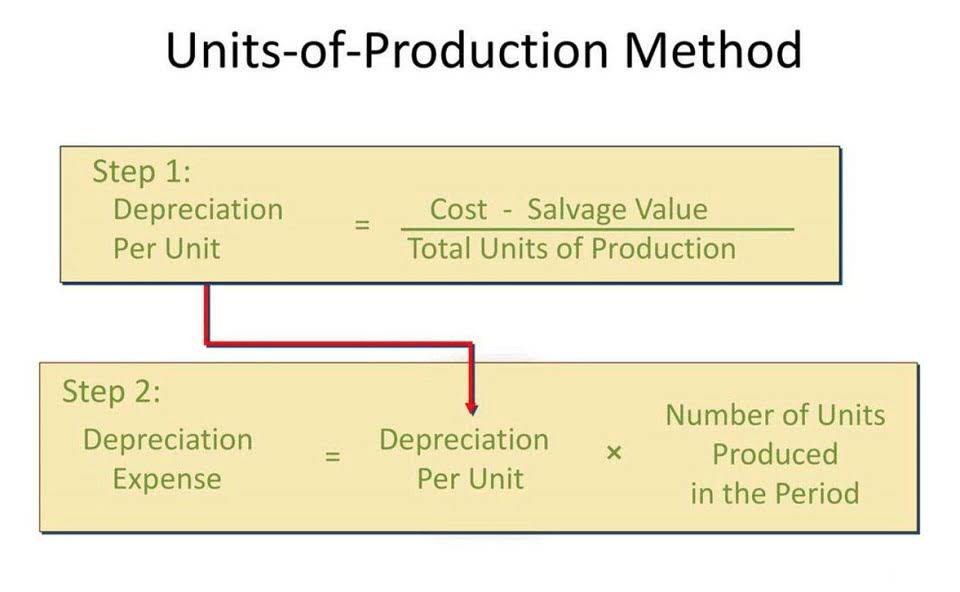
It ensures that the balance sheet accurately reflects the diminishing quantity of the natural resource, which is a critical asset for any company in this sector. Depletion expense is typically calculated using either the Unit-of-Production method or the percentage depletion method. The Unit-of-Production method divides the cost of the resource by the total estimated units of production and multiplies it by the units extracted during the period.

Bookkeeping

The Best Accounting Software Options for Real Estate Investors

Posted on

accounting real estate

Your real estate business must Real Estate Bookkeeping: How It Powers Your Business comply with tax regulations, and any inaccuracies may result in penalties. Accounting companies like BooksTime ensure the correct classification of operating and capital expenses to provide accurate tax estimations. Property management accounting services help investors who manage multiple units. These services integrate rent collection, expense tracking, and owner distributions into one streamlined system. Advanced accounting tools offer features that streamline real estate accounting. This involves exploring AI-powered analytics, utilizing cloud platforms, and integrating with CRM systems.

accounting real estate

The Latest Research & Insights

accounting real estate

Implementing best practices ensures that businesses operate efficiently. Advanced software solutions offer insights into the latest best practices. Training sessions offer insights into best practice implementation techniques.

How AI Scheduling Reduces No-Shows Over Time

  • All-in-one property management platform featuring double-entry trust accounting for security deposits and tenant funds with compliance reporting.
  • This data is essential for valuation experts who rely on financial statements and historical records to determine the property’s fair market value.
  • By refining bookkeeping practices and staying updated in the industry, businesses can achieve unparalleled financial clarity.
  • Return on Investment (ROI), on the other hand, reflects the returns on property investments.
  • Apart from GAAP and IFRS, there are industry-specific accounting guidelines.

Recognizing these correctly ensures that financial statements reflect true expense patterns. As the benefit is received, this asset is reduced, and an expense is recognized. Regular tracking ensures that deferred expenses are correctly accounted for. Moreover, understanding their implications is crucial for accurate financial reporting. Clear protocols and training sessions can ensure consistent and https://www.lagrangenews.com/sponsored-content/real-estate-bookkeeping-how-it-powers-your-business-488ddc68 accurate recognition. Modern software automates this process, ensuring accuracy and efficiency.

accounting real estate

Rental income Tax Guide

  • These offer insights into annual performance, profitability, and areas of concern.
  • For agents, this might include income categories like buyer commissions, seller commissions, referral fees, or leasing fees.
  • Real estate accounting delves deep into property-specific transactions.
  • Choosing the right accounting software is crucial for efficient real estate trust management.
  • Regular reviews ensure that unearned revenues are correctly accounted for.
  • Although fairly basic, your duties might require using standard office supplies, equipment, and other administrative tools.

WorldMetrics.org is an independent website dedicated to reliable, data-driven insights. Consolidate all of your apps and paperwork into one powerful and easy-to-use rental management software and manage your rentals from anywhere. Ditch the spreadsheets and paper clutter—Landlord Studio makes rental accounting effortless and affordable. “It has been an excellent way of tracking expenses all in one app. I had considered using AppFolio, but that was too complicated for me.” Landlord Studio helps you create a more profitable rental portfolio directly from your desktop or mobile. From close to compliance, we deliver corporate accounting professionals who keep your business financially sound.

The Cost of Mismanaged Financial Records

It involves recording property-related transactions, understanding accrual accounting, and aligning property management with business goals. The basic steps of real estate accounting ensure accurate financial data, which is crucial for informed decision-making. By mastering these steps, real estate professionals can optimize their financial management and drive business success. This section delves into the foundational aspects of real estate accounting, offering insights for both novices and seasoned professionals. Data-driven decision-making ensures that businesses make informed choices.

Real estate accounting software offers tailored solutions for brokers, ensuring transparent commission management. Regular financial reviews help brokers understand their income patterns and potential areas of growth. Training sessions and workshops further refine their accounting skills. Moreover, clear financial protocols ensure that commissions are managed ethically and transparently.

accounting real estate

Real Estate Tax Planning Strategies

By understanding these mistakes, real estate professionals can ensure accurate financial reporting. Reconciliation ensures that financial records match actual transactions. Regular reconciliations ensure that discrepancies are identified and addressed promptly. Training sessions can ensure that all team members understand their importance and implications. Moreover, clear protocols ensure consistent and accurate reconciliations. Stakeholders rely on reconciled data for trust and decision-making.